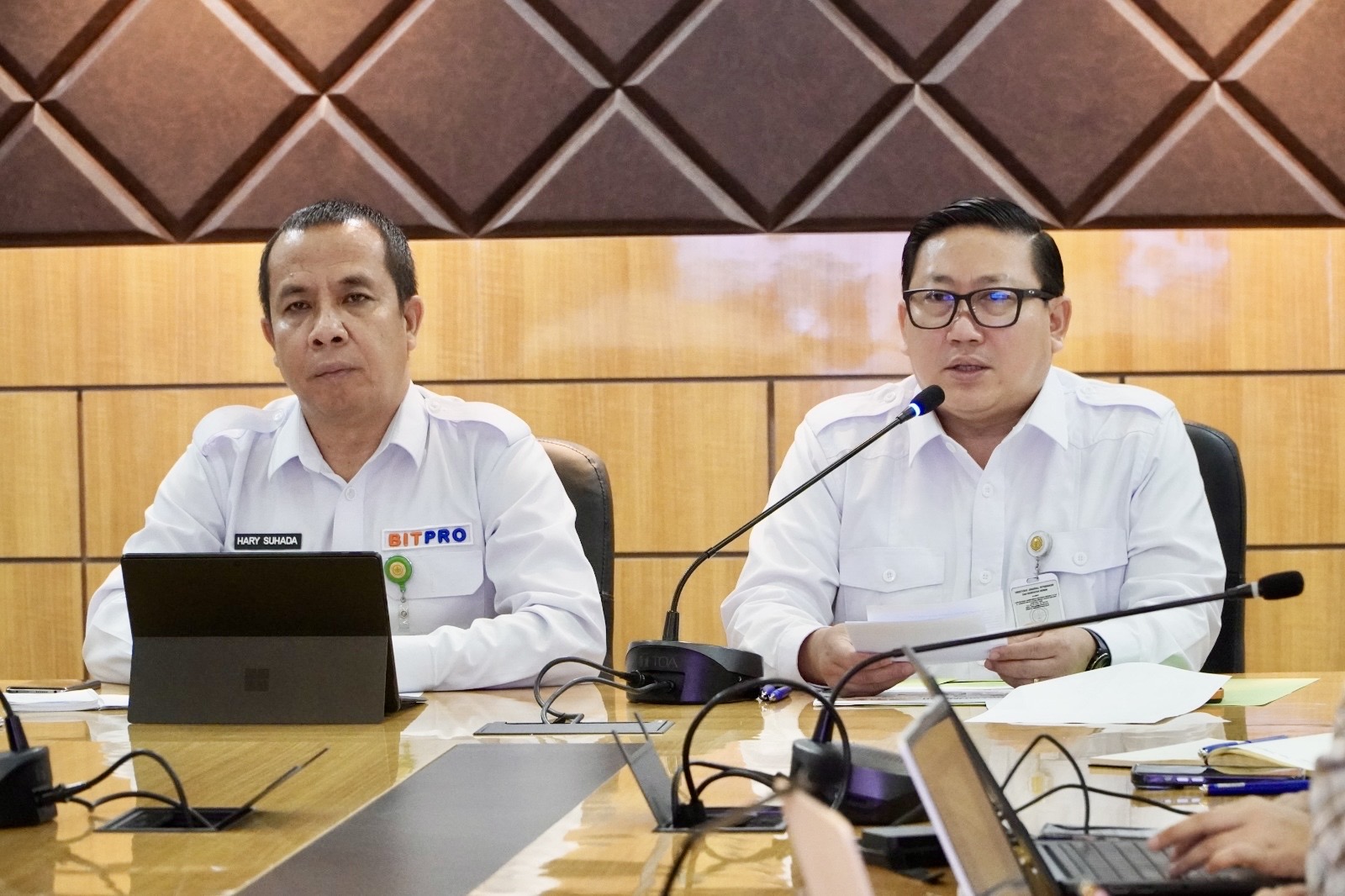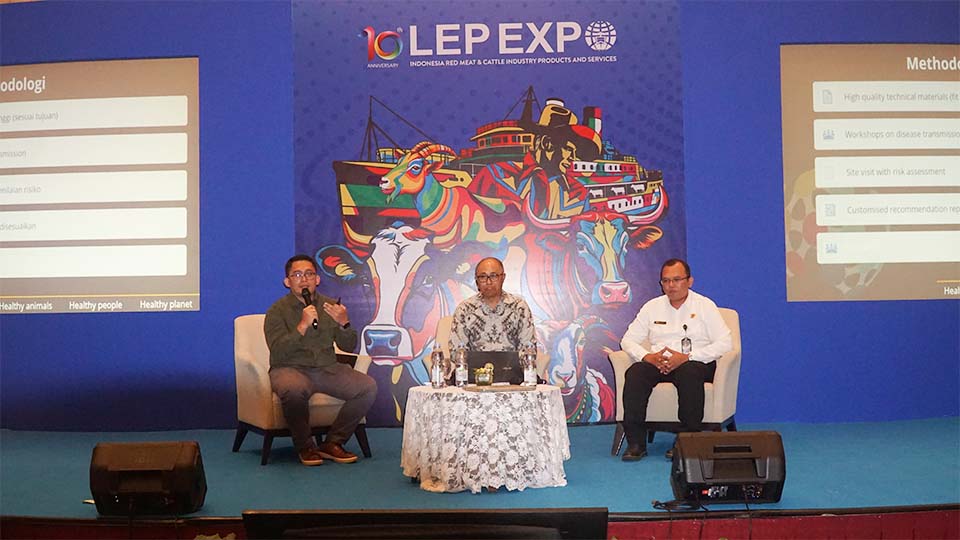
The outbreaks of Foot and Mouth Disease (FMD) and Lumpy Skin Disease (LSD) that hit Indonesia in 2022 dealt a significant blow to the livestock industry. In the absence of vaccines at the time, biosecurity became the only line of defense against the rapid spread of these diseases.
Havan Yusuf, Data Component Coordinator at Ausvet, recalled the critical situation during the 2022 Eid al-Fitr, when urgent solutions were needed. In response, Ausvet launched the Indonesia Biosecurity Support Program in collaboration with Meat and Livestock Australia (MLA). The program aims to strengthen feedlot capacity in managing the risks of FMD and LSD through the implementation of a sustainable, science-based biosecurity system.
“As part of this program, the Ausvet team developed a wide range of educational materials and held workshops with feedlot representatives,” Havan explained. “We also conducted direct risk assessments in the field to identify disease transmission pathways and design practical and cost-effective intervention strategies. Biosecurity doesn’t have to be expensive, but it must be based on science and applicable in the long term.”
The program’s outcomes were encouraging. A total of 37 feedlot facilities participated, representing approximately 75% of the national feedlot industry. The team issued 228 improvement recommendations, with around 75% of those successfully implemented.
According to Havan, the impact extended beyond just strengthening biosecurity. The program also led to reduced misuse of antibiotics and improved industry awareness about disease prevention.
“A transparent, well-organized system builds trust among industry stakeholders,” he said.
Havan added that modern feedlots are now equipped with strict infrastructure and Standard Operating Procedures (SOPs). Every stage—from port arrival, transport vehicles, to entry into the farm area—must pass through disinfection and inspection protocols. Additionally, buffer zones around feedlots are carefully managed.
To further strengthen protection, the Indonesian Beef Cattle Farming Association (Gapuspindo), in collaboration with MLA and the government, implemented a vaccination program in areas surrounding feedlots.
According to Didiek Purwanto, Chairman of Gapuspindo, effective biosecurity must cover all aspects—livestock, humans, plants, and the environment.
“A biosecurity certificate is now a mandatory requirement for livestock movement. Without it, animals cannot be transported between regions,” he stated.
Didiek also emphasized the program’s long-term vision: transforming feedlots into disease-free compartments. This means that any livestock leaving the facility are guaranteed to be healthy and free from FMD and LSD.
“Achieving this goal requires clear regulatory support and data-driven monitoring,” he said. “It is essential to establish and maintain disease-free zones as a stepping stone toward progressive disease control.”