The diversification of poultry farming holds great potential to help meet the Indonesian people’s demand for affordable animal protein. This strategy is designed not only to increase farmer profit margins but also to reduce the risks associated with relying on a single type of poultry and to make use of the natural resources available in the surrounding environment. One familiar example of non-commercial poultry in Indonesia is the local (native) chicken.
In raising local chickens, feed plays a vital role in maintaining their health, performance, and immunity. According to Nonok Supartini, a lecturer at Tribhuwana Tunggadewi University (Unitri) in Malang, East Java, there are several important factors to consider when preparing feed for livestock. One of the most critical is feed availability.
“In poultry farming, about 80% of production costs are spent on feed. That’s why it’s difficult to succeed without a well-designed feed strategy,” she explained.
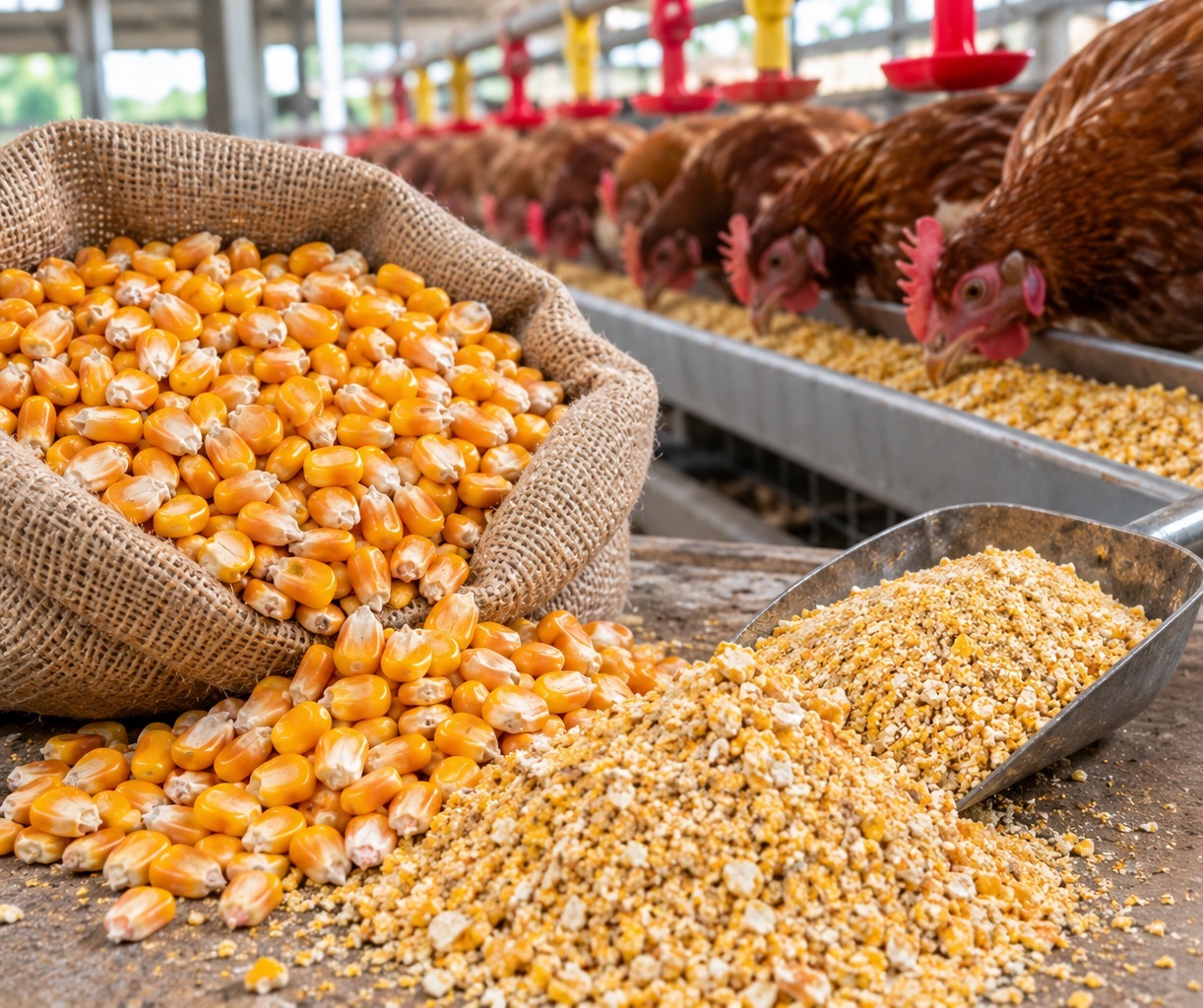
Nonok added that there are many strategies to reduce feed costs without compromising livestock productivity. One effective approach is to use local ingredients that are readily available in the area and have nutritional content similar to that of conventional feeds.
“Some time ago, I tried formulating a feed using ingredients we had on hand—such as bran, corn, and maggots. Since we’re raising native broiler chickens, we still have to use commercial feed, but we can reduce the portion and combine it with alternative ingredients,” she said.
From the results of feed formulation trials, she noted that cost calculations may need to be adjusted depending on local prices. In her case, she worked with an assistant to calculate feed costs based on prices in Malang, where bran is priced at IDR 5,000 per kilogram.
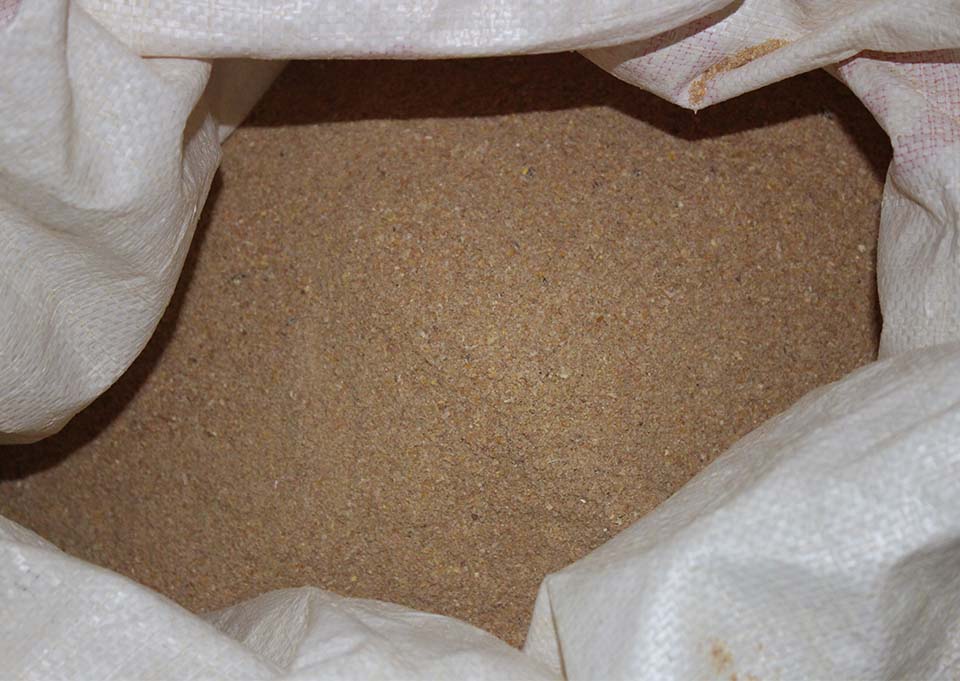
However, Nonok also warned farmers to be cautious when buying feed ingredients, especially bran, as adulteration is common.
“To check if the bran is authentic, simply mix it with water. If a large portion floats instead of sinking, it’s likely made from husks or outer shells that have been finely ground to look like real bran,” she explained.
She emphasized the importance of verifying feed quality, as farmers sometimes complain that chickens do not gain weight even after being fed with bran and corn. This could be due to fake or low-quality ingredients in the feed formula.
“Don’t be tempted to buy cheap feed without knowing whether it’s genuine. Some ‘bran’ might be mixed with ground husks, and corn can also be faked by mixing it with ground cobs. Again, test a sample by soaking it in water—if a lot floats, it indicates poor quality or adulteration,” she warned.